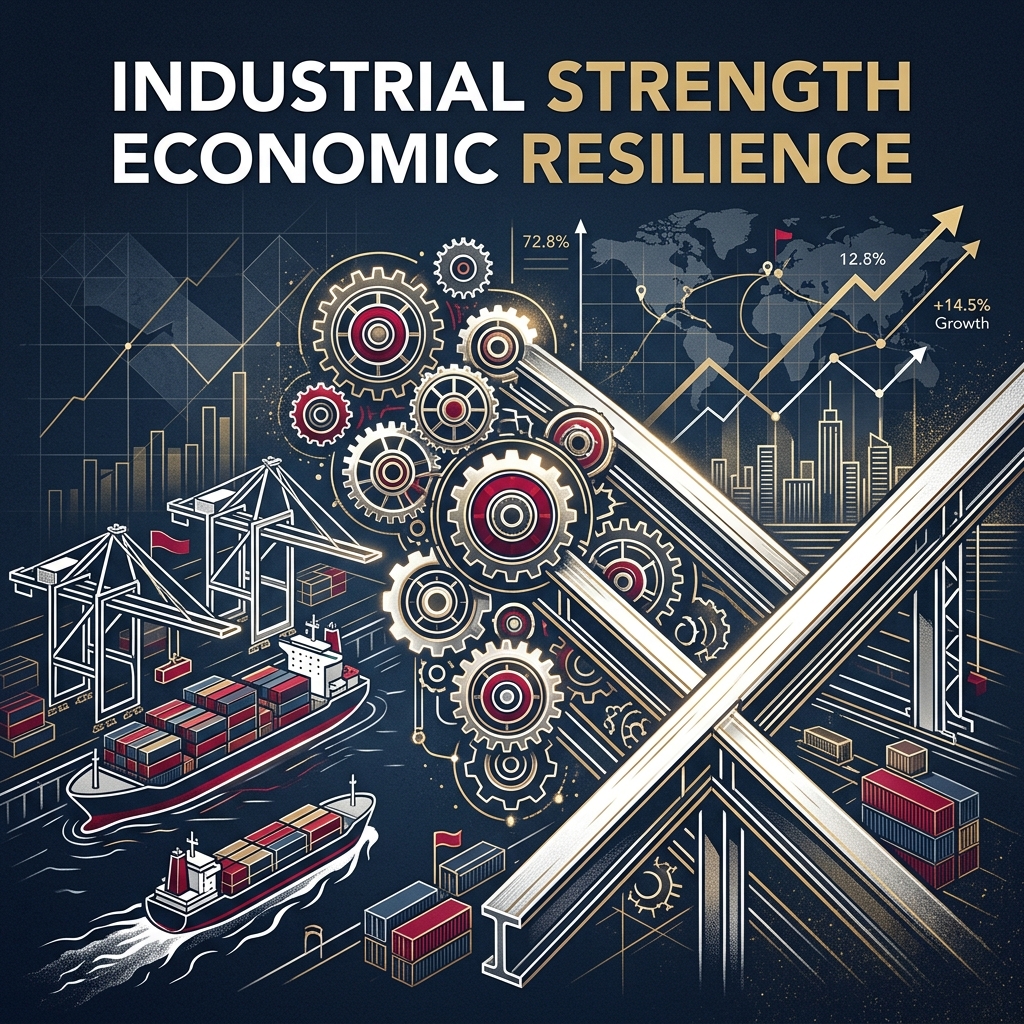
For generations, the global economic consensus prioritized cost efficiency above all else. Supply lines were stretched across oceans, factories concentrated in singular geographic hubs, and critical industrial knowledge offshored to satisfy short-term balance sheets. This efficiency-first model functioned in stable times. However, under the weight of trade disputes, geopolitical friction, and sudden supply gaps, the fragility of this globalized network has been exposed.
True national sovereignty cannot exist in a state of dependency. If a republic cannot produce its own energy, manufacture its own vital technologies, or secure its own basic hardware, its independence is compromised. Securing the industrial base is not merely an economic preference; it is a pillar of national defense and sovereign survival.
The Fragility of Just-in-Time Logistics
The modern industrial ecosystem operates on a "just-in-time" delivery architecture. Components arrive at factory floors precisely when needed, minimizing inventory carrying costs. While financially lean, this process leaves zero margin for error. A closure of a single port or a dispute over maritime boundaries can stall entire assembly lines thousands of miles away.
Fostering industrial resilience requires shifting from "just-in-time" to "just-in-case" logistics. This means rebuilding strategic inventories, diversifying suppliers, and establishing redundant manufacturing hubs within secure, aligned jurisdictions.
Fostering Domestic Manufacturing
Rebuilding an industrial base is not as simple as building new factories. It requires cultivating the skills, technological standards, and supply ecosystems that support them. When manufacturing moves offshore, the engineering expertise and skilled labor disappear with it. Re-establishing this capacity takes time, deliberate policy focus, and a long-term capital commitment.
Strategic Sectors to Protect
Resilience efforts must focus on critical industries: advanced semiconductors, electrical grid telemetry, active pharmaceutical ingredients, and heavy industrial tooling. Safeguarding these sectors ensures national continuity during international crises.
Encouraging domestic manufacturing requires sensible tax structures, reducing unnecessary regulatory barriers, and investing in advanced technical training. By making it economically viable to produce goods locally, we can secure both our supply chains and our economic future.
A Balanced Approach to Trade
Securing our sovereignty does not mean retreating into isolationism. Global trade remains a powerful engine of prosperity. Rather, we must adopt a realistic trade stance that recognizes the strategic importance of key industries. We should trade freely in consumer goods while carefully protecting the manufacturing capability and technologies that underpin our national security.
Through a balanced mix of domestic investment, supply diversification, and strategic protection, we can build a resilient economy capable of weathering global storms while maintaining our sovereign independence.

The focus on active pharmaceutical ingredients (APIs) is spot on. It is terrifying how much of our basic medical supply depends on single-country production pipelines. Re-shoring critical chemical processing facilities is a matter of life and death, not just economic theory.
Good points about trade realism. This isn't about closing ourselves off from the world, it's about identifying where our critical points of vulnerability lie and ensuring we have domestic backups. Decades of efficiency-only thinking has made us fragile. Time to pay for resilience.